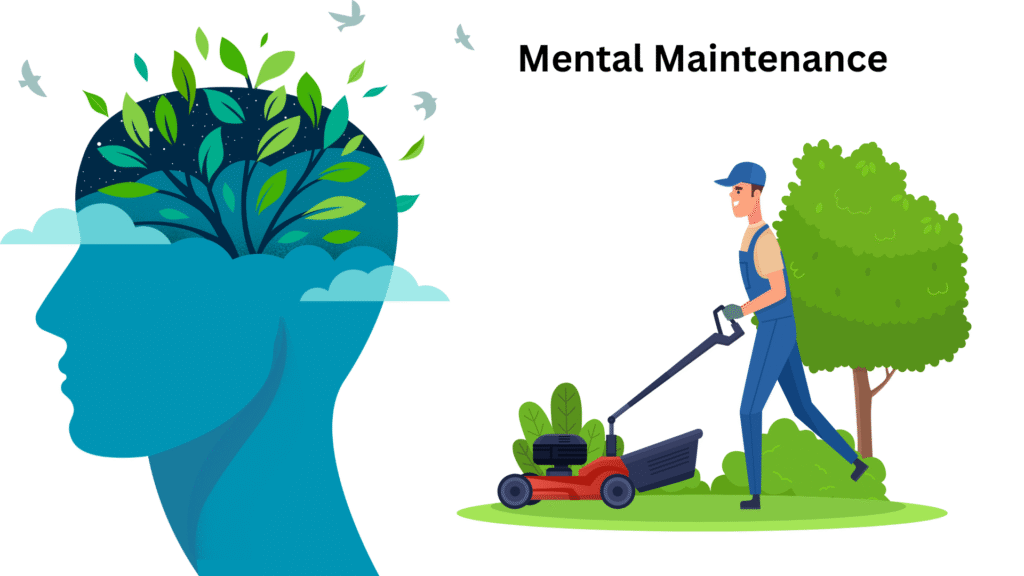
In today’s fast-paced and competitive world, the pressure to perform at peak levels can take a toll on employees’ mental health. Burnout, a state of emotional, physical, and mental exhaustion caused by excessive and prolonged stress, is a pervasive issue in many workplaces. Not only does burnout affect individuals, but it also has a significant impact on business productivity and how a company is perceived as an employer of choice.
Mental health and burnout in the workplace are closely intertwined. When employees experience high levels of stress, unrealistic workloads, lack of work-life balance, or a toxic work environment, they are more likely to succumb to burnout. This can manifest as feelings of fatigue, cynicism, reduced efficacy, and ultimately lead to decreased job performance and engagement.
The consequences of burnout extend beyond the individual employee and can have a ripple effect on the entire organisation. A workforce that is struggling with burnout is likely to experience higher rates of absenteeism, presenteeism (being physically present but not fully productive), turnover, and decreased morale. This, in turn, can hamper a company’s overall productivity and performance.
Furthermore, the impact of workplace mental health on a business’s reputation as an employer of choice cannot be underestimated. In today’s job market, where talent is in high demand, employees are increasingly looking for organizations that prioritize their well-being and offer a supportive work environment. Companies that neglect their employees’ mental health are at risk of earning a reputation as a toxic workplace, which can deter top talent from joining and lead to difficulties in retaining current employees.
To address workplace mental health and combat burnout, organizations must take proactive steps to create a positive and supportive work culture. This includes promoting work-life balance, providing resources for mental health support, encouraging open communication, setting realistic goals and expectations, and fostering a culture of appreciation and recognition.
By investing in employee well-being and mental health support, businesses can not only improve productivity and performance but also enhance their reputation as an employer of choice. A mentally healthy workforce is a more engaged, motivated, and productive workforce, ultimately leading to long-term success and sustainability for the organization.
In conclusion, the impact of mental health and burnout on workplace productivity and a company’s standing as an employer of choice is undeniable. It is imperative for businesses to prioritize employee well-being, create a supportive work environment, and address the root causes of burnout to foster a healthy and thriving workforce. Only by taking these steps can organizations truly maximize their potential and maintain their competitive edge in today’s dynamic business landscape.