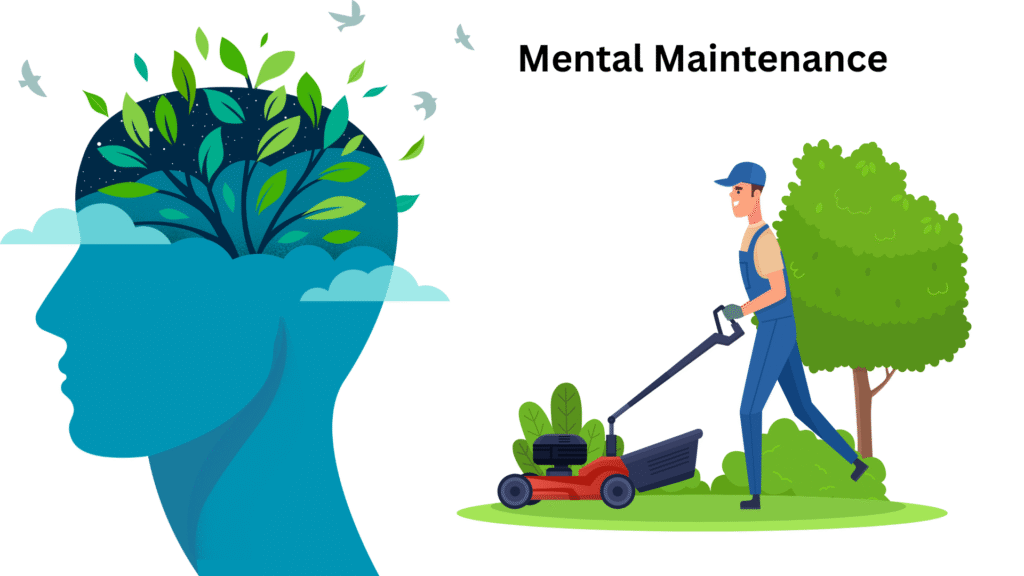
Mental health issues are increasingly affecting employees and organisational productivity. Traditionally, companies have reacted to these challenges only after they arise, often when employees are already on leave due to stress or anxiety. This reactive approach is not only costly but also fails to address the root causes of mental health challenges, leading to a more toxic work environment.
The current model focuses on individual care—providing therapy, wellness programs, or paid leave after problems surface. This method misses significant opportunities for prevention. Studies show that employees with unmanaged stress are 50% more likely to leave their jobs within the year. By shifting to a prevention-first mindset, organisations can reduce absenteeism, improve retention, and enhance overall productivity.
To effectively implement a pre-emptive strategy, managers must be trained to recognise early signs of stress and anxiety within their teams. Common workplace stressors include unrealistic workloads, poor communication, and lack of control over job roles. By identifying these triggers, managers can promote a culture of psychological safety, where employees feel comfortable discussing their concerns without fear of repercussions.
Creating a prevention-first culture requires managers to model appropriate stress management behaviours, such as taking breaks and setting healthy boundaries. Flexible working conditions and regular check-ins focused on employee well-being are essential. When managers lead by example, they foster a more engaged and motivated workforce.
Investing in pre-emptive mental health support is not just beneficial for employees; it also makes good business sense. Early intervention is substantially cheaper than dealing with the fallout of prolonged absenteeism or high turnover. Companies known for prioritising employee well-being attract top talent and enjoy stronger morale and job satisfaction.
In conclusion, organisations must anticipate mental health challenges rather than merely treating them. By empowering managers with the tools to recognise and address stress early, companies can create healthier workplaces, minimise costs, and enhance productivity. A proactive approach to mental health is a win-win for both employees and organisations alike