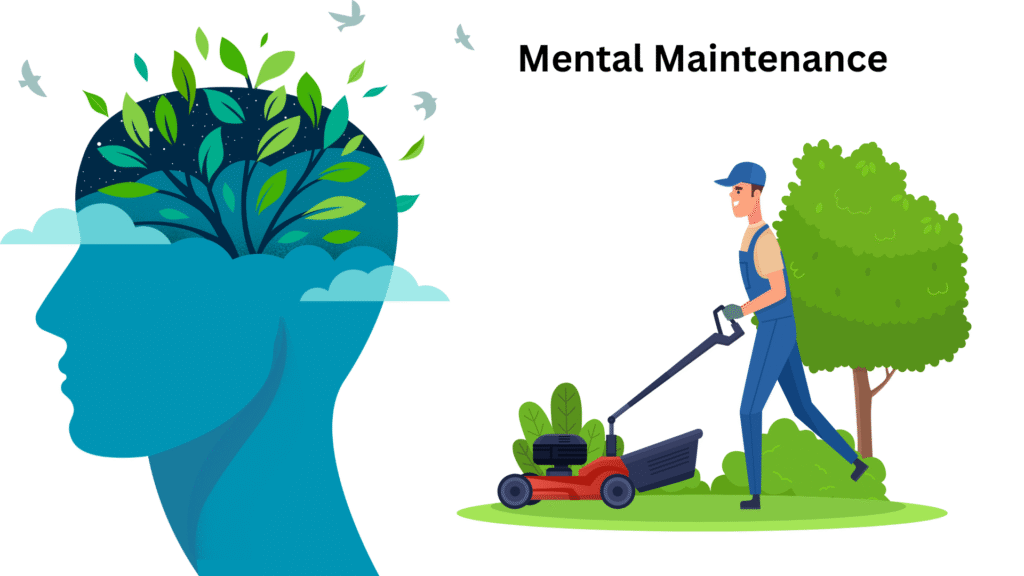
The COVID-19 lockdowns that swept across the UK had a profound impact on the mental health of many residents. The prolonged periods of isolation, uncertainty, and disruption to daily life took a toll on individuals’ well-being, leading to a surge in stress, anxiety, and depression. While we may have emerged from lockdown, the lingering effects on mental health continue to haunt many individuals, compounding with new challenges such as the rising cost of living and global military instability.
The aftermath of lockdown has left a lasting imprint on the mental health of countless individuals in the UK. Feelings of loneliness, fear, and helplessness that were heightened during the isolation period have not simply dissipated with the lifting of restrictions. Many individuals continue to grapple with lingering anxiety, depression, and trauma from the experience of lockdown, struggling to readjust to a sense of normalcy in a world that has been forever changed.
For those who were already dealing with stress and anxiety before the pandemic, the challenges of lockdown only exacerbated their mental health struggles. The added pressures of isolation, financial uncertainties, and health concerns created a perfect storm of anxiety for many individuals, pushing them to their limits. Now, as we confront the realities of a post-lockdown world, these individuals must also contend with the daunting challenges of the cost of living and the looming spectre of global military instability.
The rising cost of living in the UK has become a source of immense stress and anxiety for many individuals and families. From skyrocketing housing prices to increasing utility bills and grocery costs, the financial burden on households continues to mount. The fear of not being able to make ends meet, afford basic necessities, or plan for the future weighs heavily on the minds of many, exacerbating existing mental health issues and creating new sources of worry and anxiety.
On top of financial concerns, the global military instability and geopolitical uncertainties facing the world add another layer of fear and unease for individuals in the UK. The constant stream of news about conflicts, threats of war, and political tensions can trigger feelings of helplessness, insecurity, and dread, further impacting mental health and well-being.
It is crucial that we recognize the urgent need for increased support and resources for mental health in the UK. With a shortage of mental health professionals, it falls upon family, friends, and employers to step up and provide the necessary support for those who are struggling. By fostering open conversations, offering a listening ear, and promoting mental health awareness and education, we can create a more supportive environment for individuals to seek help and access the resources they need before reaching a crisis point that requires medical intervention.
In conclusion, the mental health impact of the lockdown in the UK continues to reverberate through individuals and communities, compounded by new challenges such as the cost of living and global instability. It is imperative that we come together as a society to prioritise mental health, offer support and understanding to those in need, and work towards building a more resilient and compassionate community where mental health is valued and supported. Let us stand united in our commitment to mental well-being and create a brighter, more hopeful future for all.